A horizontal directional bore in the Skaneateles and Central New York area, planned and drilled where open-cut was off the table. Sensitive ground, one shot to get it right.
In short: we delivered a directional bore in the Skaneateles, New York area where open-cut was not a viable option. Our crew walked the site, confirmed locates and a geotech read, drilled a controlled pilot bore, reamed to grade, and pulled the product line through to a clean installation. The crossing was completed to plan, with surface and sensitive ground left undisturbed.
Central New York does not give you easy ground to work in. This crossing sat in a sensitive setting in the Skaneateles area, the kind of corridor where trenching across the surface is not an acceptable answer. Open-cut would have meant tearing up a protected or constrained alignment, disturbing the surface, and accepting restoration and permitting exposure that nobody on the project wanted to own.
The brief was simple to state and hard to execute. Get the product line to the other side, under the obstacle, without breaking ground across the top. That puts the bore directly on the critical path. If the crossing slips or the ground fights back, everything downstream waits on it.
The specifics of this job, the footage, the exact alignment, the client, and the schedule, are confidential and available on request. What follows is how we approached the work.
Before the rig set up, we did the work that keeps a bore from going sideways. The site walk confirmed entry and exit locations, surface conditions, and the room we actually had to operate. Locates and one-call markups were verified against the design drawings, and existing utilities along the path were identified so the bore path stayed clear of conflicts.
The geotech read drove the rest. Subsurface conditions in Central New York vary, and the soil profile decides how the bore behaves, what annular pressures are safe, and how the drilling fluid needs to be mixed and managed. We built the bore plan, the entry and exit angles, the depth profile, and the drilling-fluid program around that read rather than a generic recipe, following the trenchless good practice the industry relies on for HDD crossings.
The bore is on the critical path. Our planning exists to make sure it never becomes the thing that holds up the job.
Because the setting was sensitive, inadvertent-return planning was not an afterthought. We carried a written frac-out plan into the field: how returns are monitored, what triggers a stop, where containment goes, and the contingency steps if fluid surfaces where it should not. That document is what turns a sensitive crossing into a controlled one.
With the plan locked, the owner-operated crew ran the bore in sequence. The pilot bore was drilled along the planned path, steered and tracked so the head followed grade and stayed on line under the obstacle. Holding the pilot true is what makes the rest of the crossing predictable, so we drilled it deliberately, not quickly.
Once the pilot was through and verified, we reamed the hole up to the diameter the product line required, managing annular pressure and returns throughout. Then came pullback, drawing the product line back through the reamed bore to its final position. Throughout, returns were monitored against the inadvertent-return plan so any change in the ground would have been caught early.
For the underground scope and the equipment behind it, see our directional drilling capabilities.
The crossing was completed to plan. The product line was installed under the obstacle without open-cutting the surface, and the sensitive ground above was left undisturbed.
Our standard on a crossing like this is plain: on schedule, with no inadvertent returns, and nothing left behind that the owner has to come back and fix. That is the bar we plan and drill to. A clean bore is one nobody has to think about again once the rig leaves.
For confidential job-specific figures, footage, alignment detail, and references, contact us. See more of our work on the projects page, or request our capabilities package.
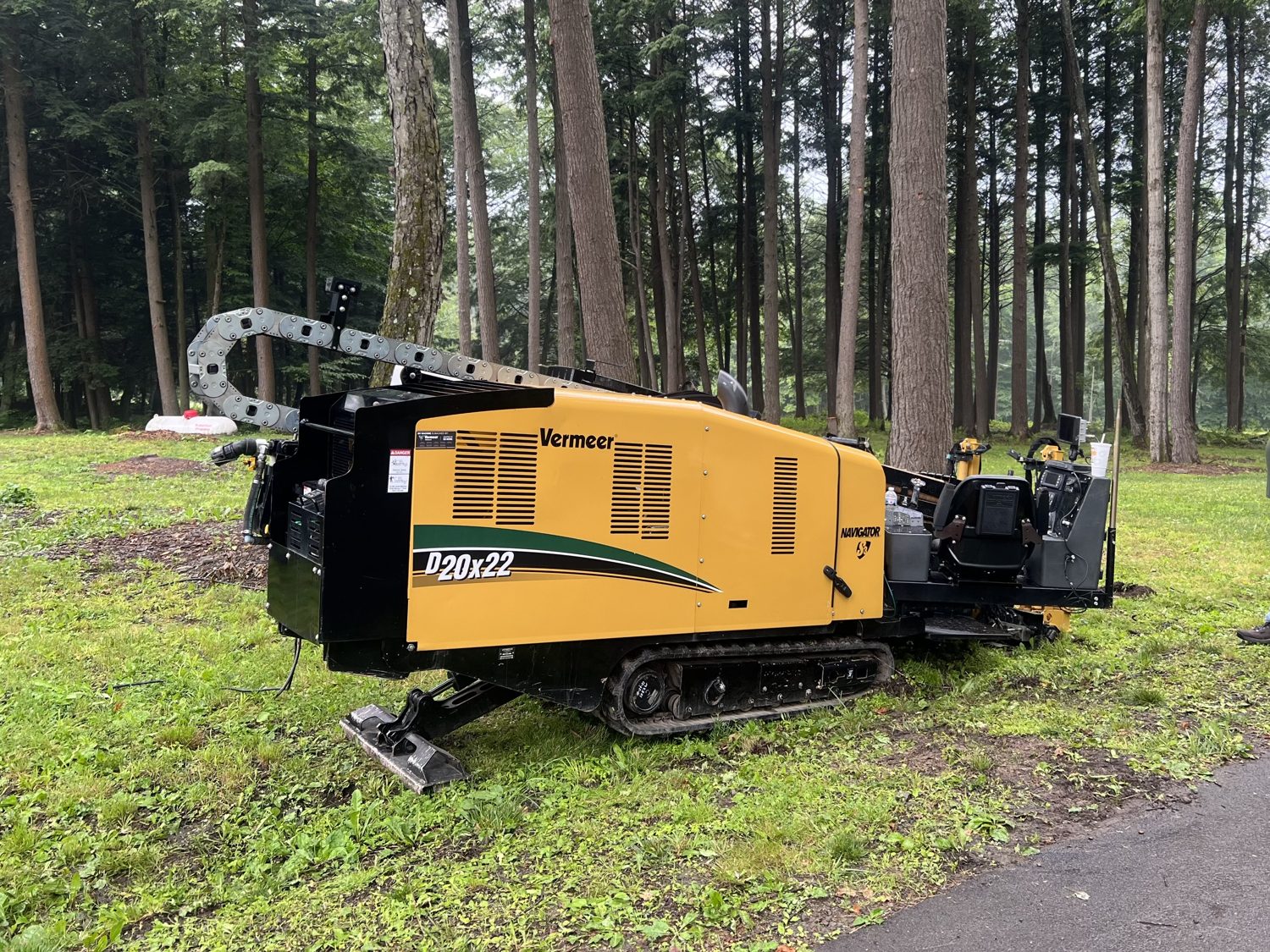
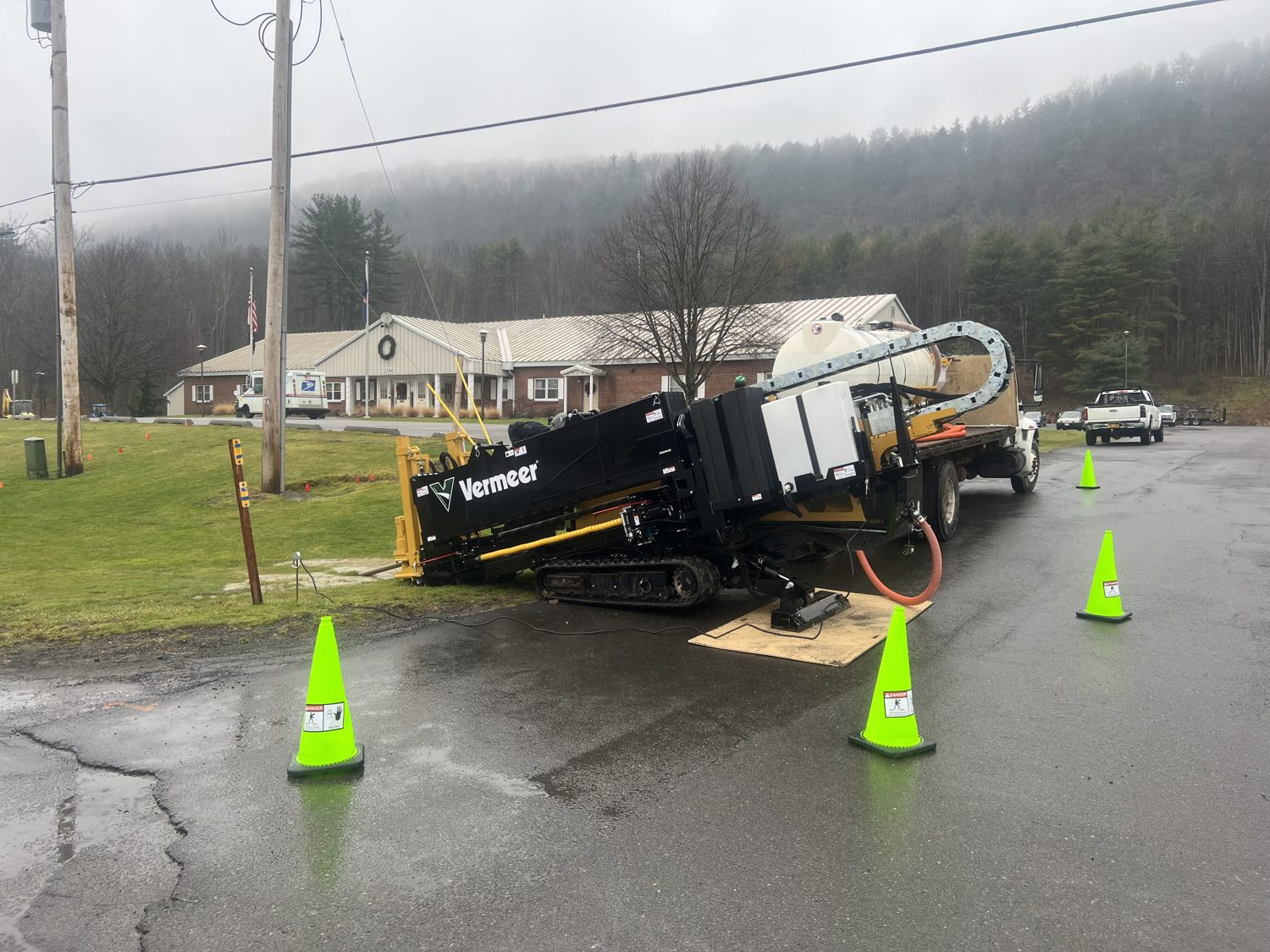
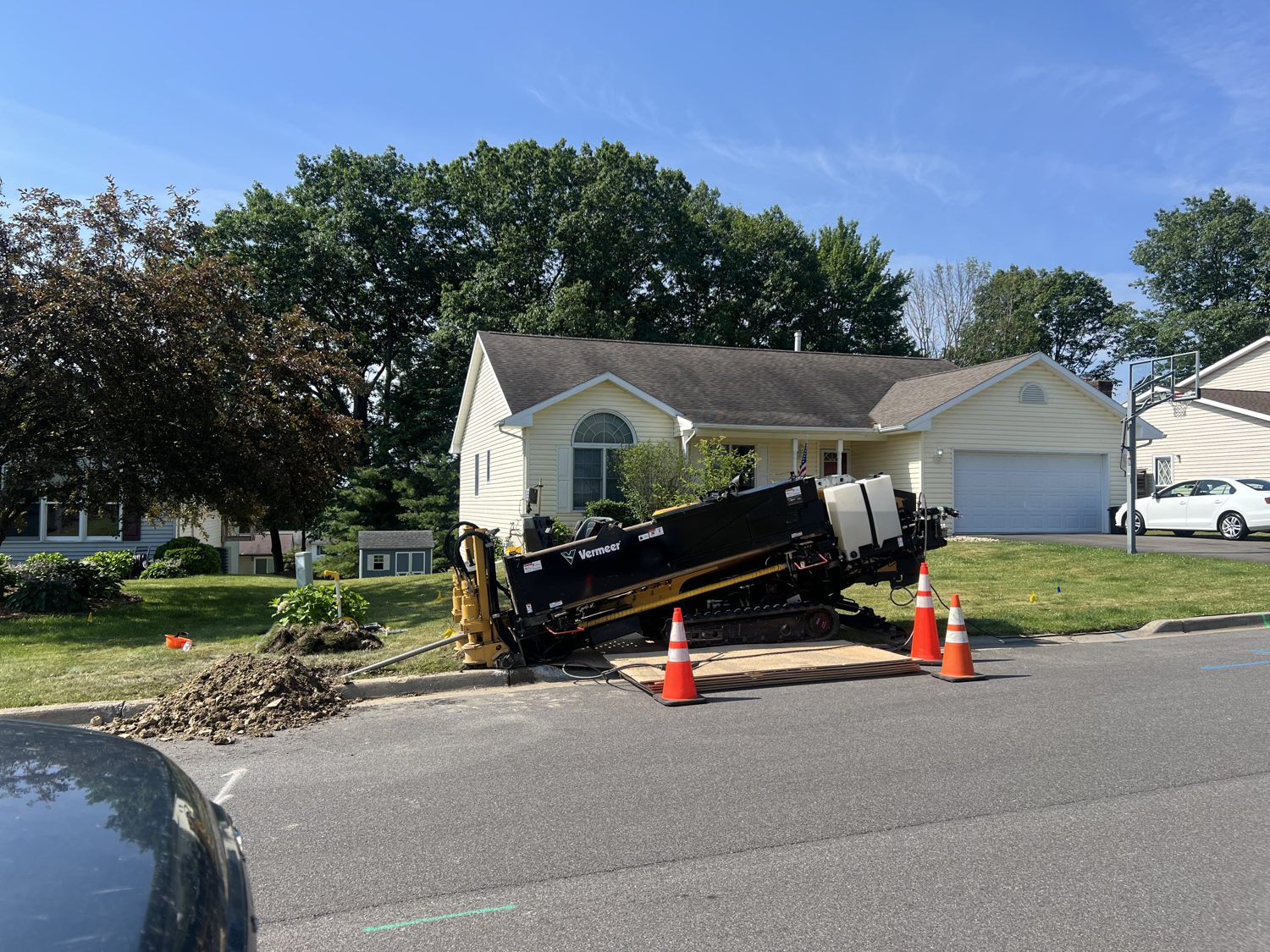
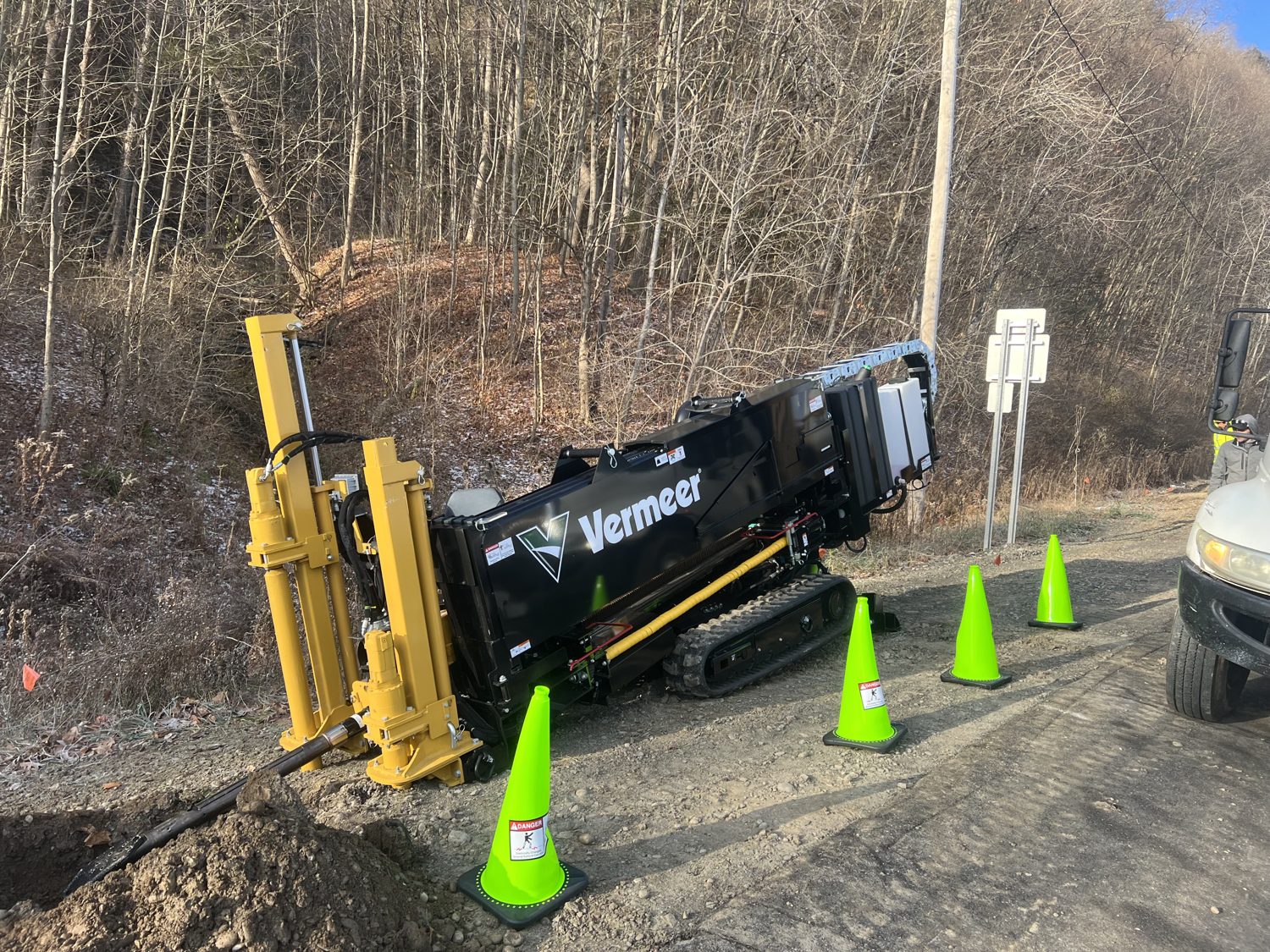
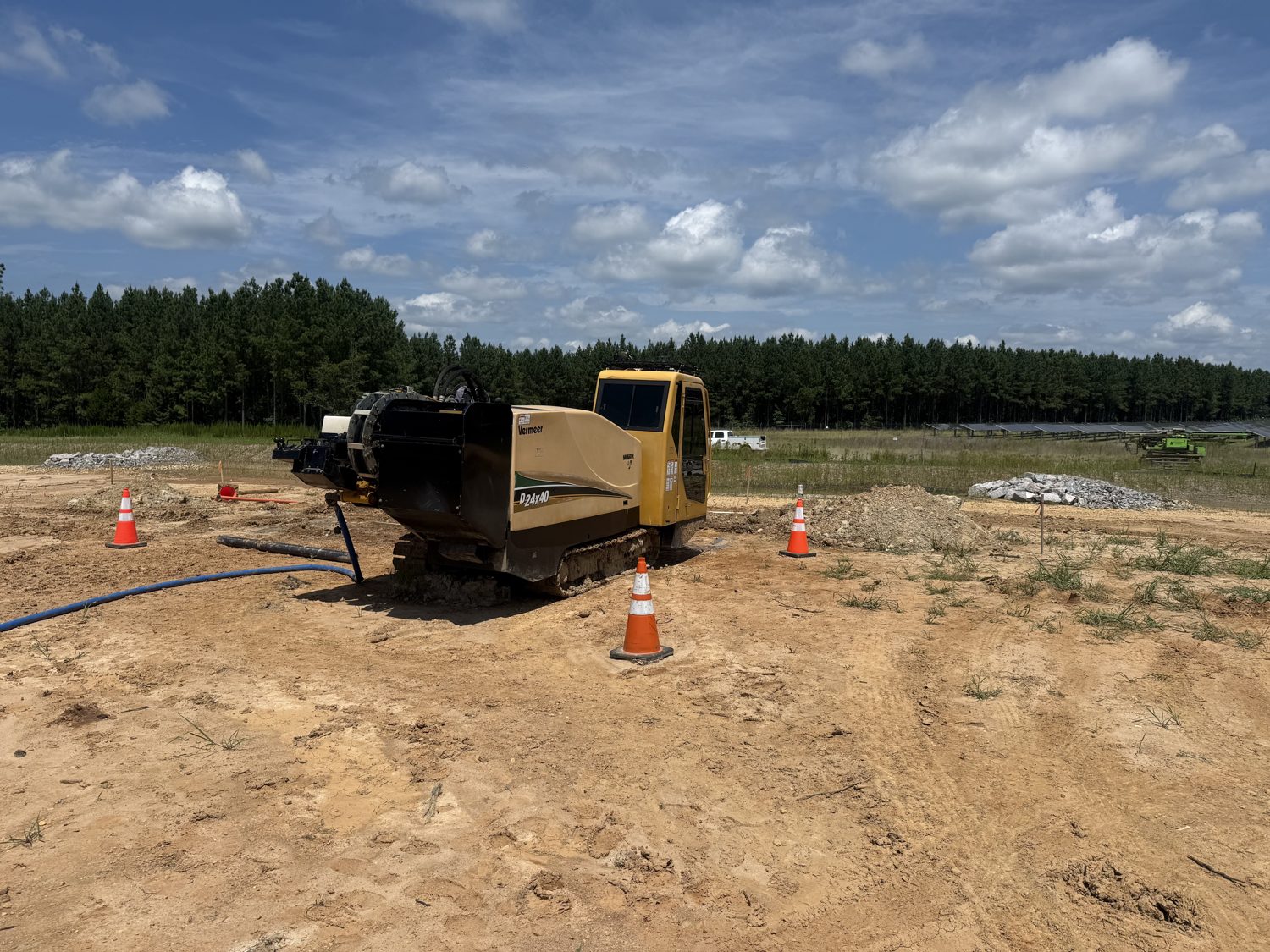
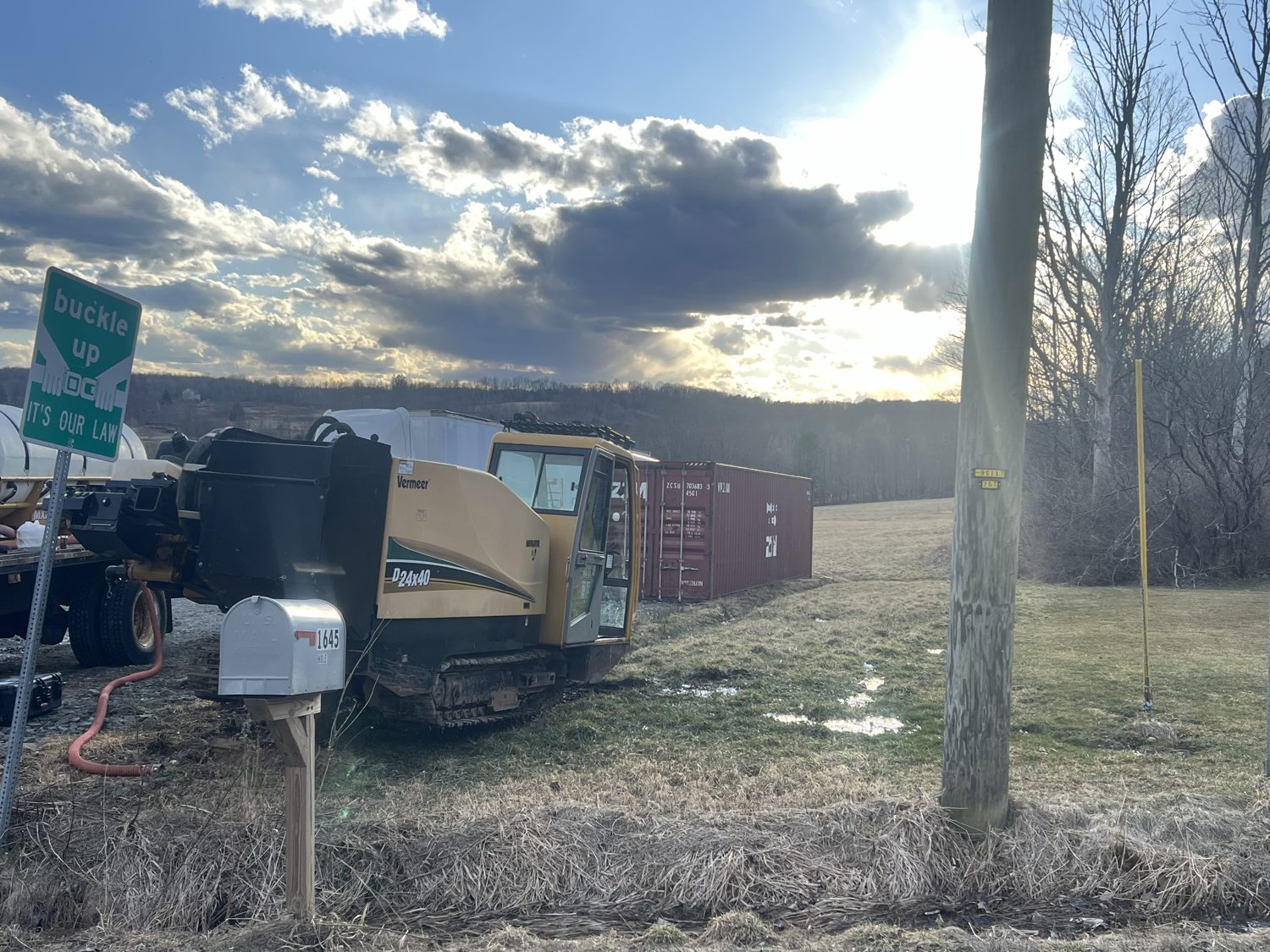
Crew, rig, and equipment from directional bore work in the field. Click any photo to enlarge.
A crossing like this is planned and drilled to the trenchless practices and damage-prevention rules the industry relies on. Useful references:
A sensitive bore in Central New York or out west, where open-cut is off the table and the crossing sits on your critical path. Send us the field and we will tell you how we would drill it.
Request capabilities RMDT Utilities