Gen-tie and interconnection drilling that carries collected power from the array into the point of interconnection, substation, or switchyard. The last underground scope your COD depends on.
The interconnection bore carries the gen-tie circuit from the array into the point of interconnection, POI, substation, or switchyard. It is the conductor path that lets a finished field actually backfeed the grid. Because it sits between mechanical completion and energization, it is the single bore most likely to move commercial operation if it slips. We drill it on the critical path and treat the schedule as the deliverable.
Every collected feeder on a utility-scale field funnels toward one place: the gen-tie that ties the project into the grid. That gen-tie has to leave the array, cross whatever sits between the last collection point and the POI, and land inside the substation or switchyard. Almost all of that path is underground, and the hardest segments are bored, not trenched. We drill the gen-tie and interconnection crossings so the conductor arrives at the point of interconnection ready to terminate.
This is not a generic utility bore. It is the conductor that decides whether a mechanically complete field can energize. We plan it as the last thing standing between the project and commercial operation, and we sequence everything around that fact.
On a solar build the schedule funnels into a single chokepoint at the end: energization. Modules can be set, racking torqued, inverters landed, and the field still cannot produce a kilowatt-hour until the gen-tie is in the ground, terminated, and the utility energizes the point of interconnection. The interconnection bore sits squarely in that gap.
The bore is on the critical path. We make sure it never holds up your COD.
The crossings that gate energization are almost always the ones closest to the point of interconnection: a state highway, a rail line, a stream or wetland, or a corridor of existing utilities on the substation approach. These are the bores that have to be permitted, drilled, and proven before the gen-tie can land. We treat them as energization-gating work from day one.
The interconnection scope is where the most parties meet on a solar project, and coordination failures here cost energization windows. We sequence our work against everyone who touches the POI.
The gen-tie does not just need a bore. It needs a finished, testable path into the substation. We carry the work from open ground to the getaway and hand off a circuit ready to terminate.
Because this bore decides energization, we de-risk it on paper before a rig moves. Every interconnection crossing ships with a geotech read, a drilling-fluid and inadvertent-return plan, a monitoring and containment scheme, and a written contingency. The point is simple: the interconnection bore is the one piece of underground scope that can move your COD, so it is the one we plan in the most detail. Pair it with our 34.5kV collection scope and the entire conductor path, from feeder to POI, comes from one crew.
When the same owner-operated crew drills the 34.5kV collection and the interconnection bore, the conductor path has one owner from the array to the point of interconnection. No handoff seam between feeder and gen-tie, no finger-pointing if the energization window gets tight. One bore plan, one as-built, one schedule line.
We run owner-operated rigs and crews, not a single financed drill chasing the next job. That means the people who planned your interconnection bore are the people in the seat when it matters.
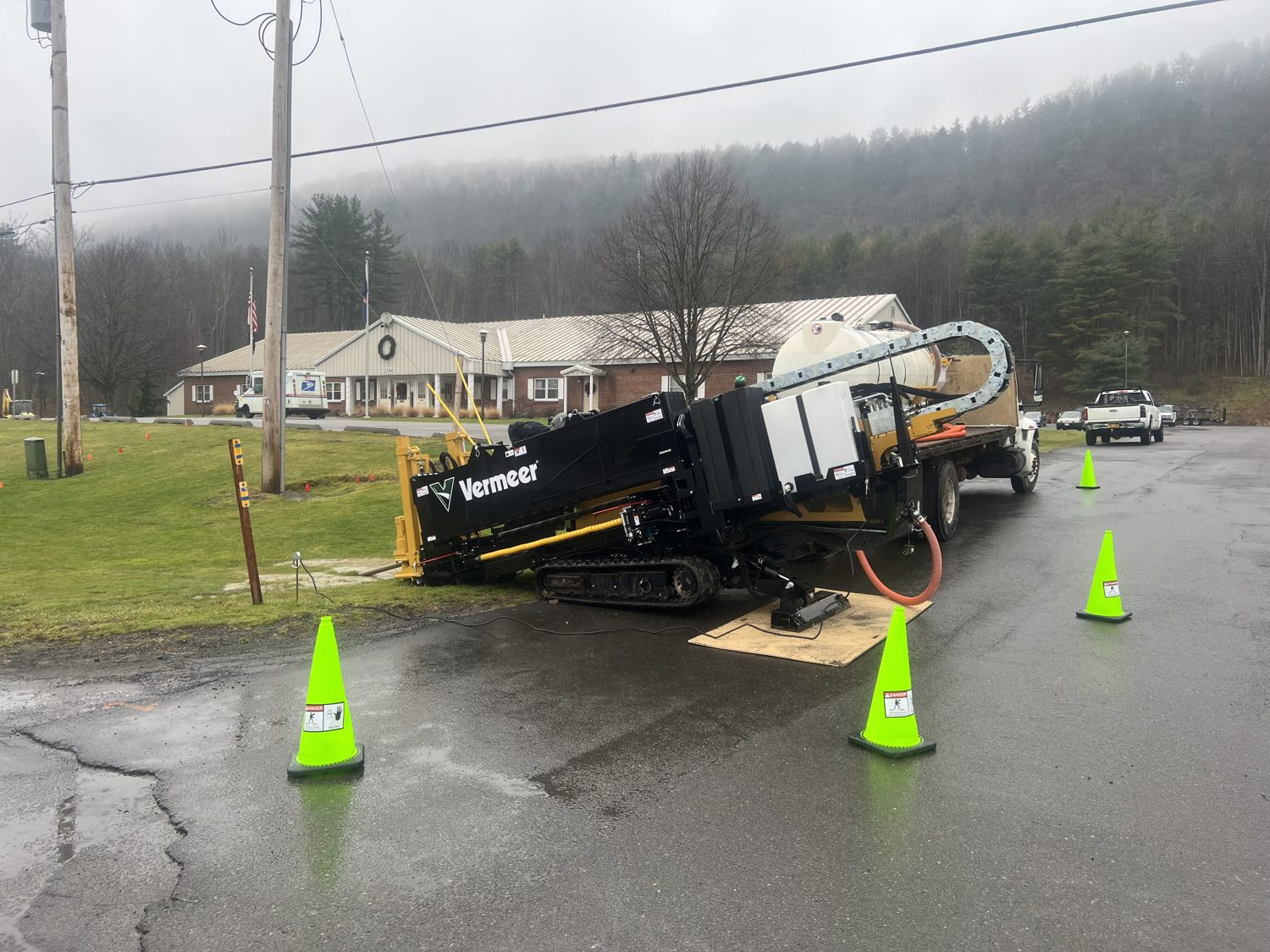
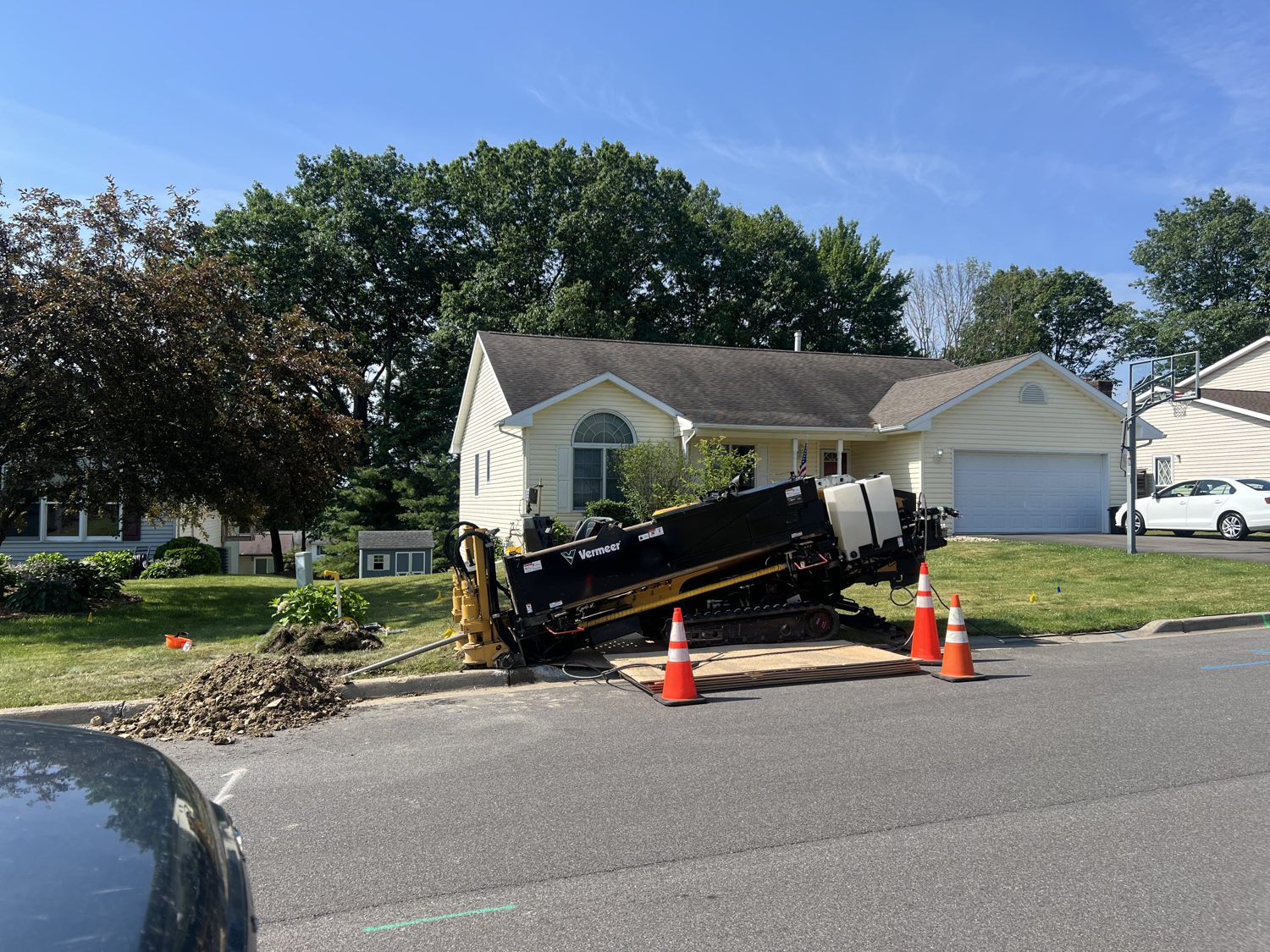
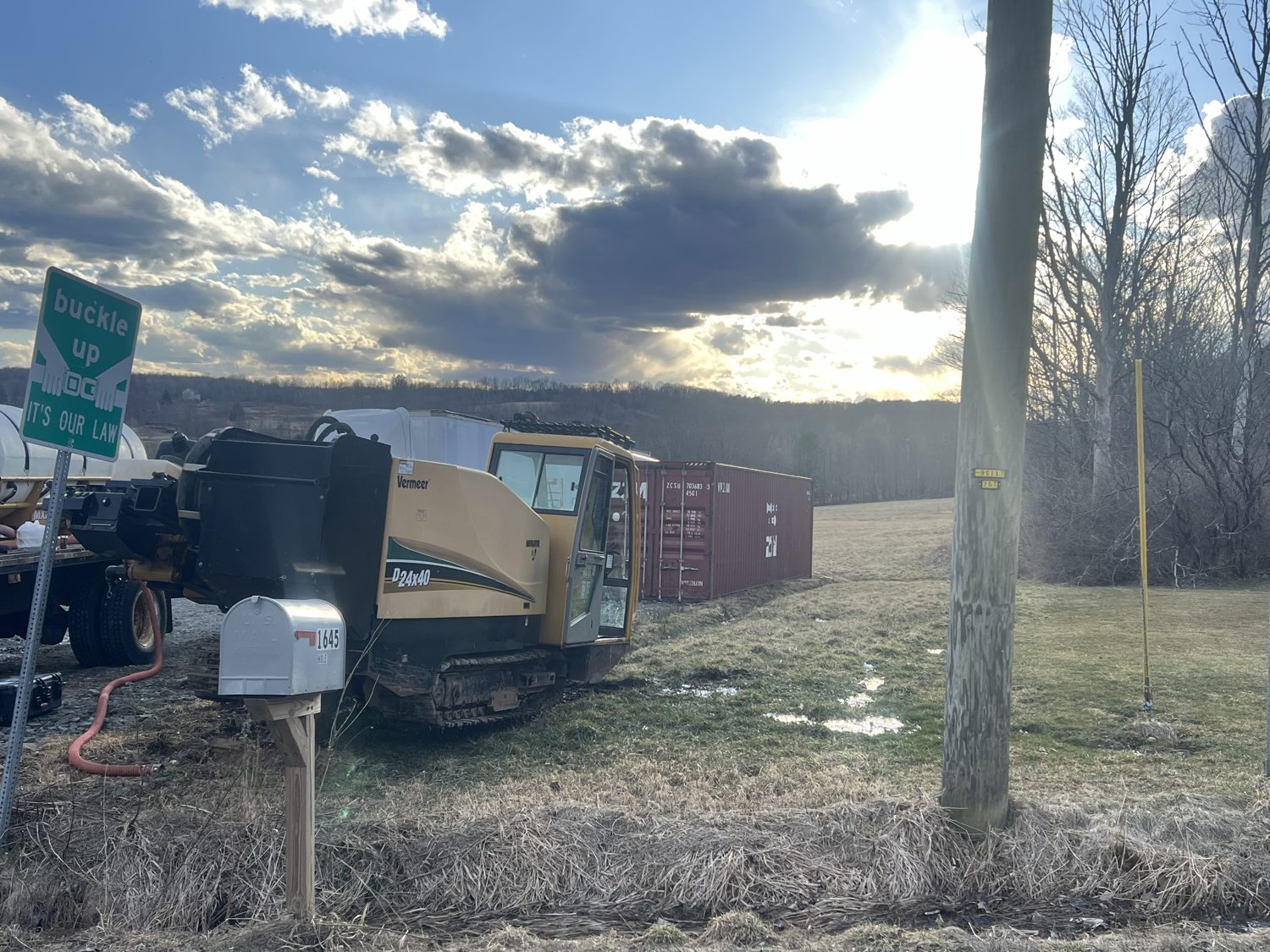
It sits directly between mechanical completion and energization. Until the gen-tie is in the ground and terminated into the point of interconnection, the field cannot backfeed and the project cannot reach commercial operation. A slipped interconnection bore moves COD, not just a milestone.
The utility or transmission owner, the switchyard or substation contractor, the EPC and GC schedulers, and the authority having jurisdiction or inspector. We sequence the bore, the getaway conduit, and the as-built around their energization and inspection windows so nothing waits on us.
Yes. We pull the gen-tie circuits and any fiber or SCADA into the substation getaway, transition from bore to duct bank, and hand off a clean, mandrel-tested, as-built path at the fence line for the switchyard contractor to terminate.
Those are usually the bores that gate energization. We carry the gen-tie under highways, rail, and water on the approach to the point of interconnection with a written inadvertent-return plan, permit-ready geometry, and the depth and casing the crossing owner requires.
The gen-tie and interconnection scope is planned and sequenced around the interconnection, energization, and substation standards the industry relies on. Useful references:
Send us the gen-tie alignment, the crossings before the POI, and your energization date. We will scope the interconnection bore, the getaway conduit, and the schedule it has to hit.
Request capabilities RMDT Utilities