Owner-operated HDD drill rigs, dedicated crews, a tuned drilling-fluid program, and hydro and air vacuum excavation. One outfit on the critical path, start to finish.
RMDT owns and operates its directional-drilling fleet and runs its own crews. We field HDD rigs across small to mid-size classes, a mixing and recycling drilling-fluid program, locating and guidance gear, and hydro and air vacuum-excavation support. We are not a single financed rig or a patchwork of rentals and day labor. The people who mobilize are the people who finish the bore.
The fleet is sized to the work in front of it. We bring the right rig, the mud system to match the ground, and the guidance to keep the bore on line. Below is how the iron, the fluid, and the crew fit together.
We run horizontal directional drilling rigs across small to mid-size classes and match the machine to the crossing, not the other way around. A short conduit pull under a two-lane access road and a longer crossing under a wetland or rail spur ask for different pullback, different rod, and different rig footprint. We size the rig to the bore length, the product line, and the soil during planning, then mobilize the class that fits. We keep our equipment maintained and field-ready so a rig arrives able to work, not waiting on parts.
Specific machine classes, pullback ratings, and rod inventory are confirmed against your bore profile and provided on request. We would rather scope the right rig to your crossing than publish a spec sheet that pretends one machine covers every job.
Drilling fluid is what makes an HDD bore hold open, carry cuttings, and steer cleanly. We run a mixing and recycling system on site and tune the fluid to the ground we are in. Sticky clays, running sands, cobble, and fractured rock each want a different mud, so we match viscosity and additives to the soil rather than pumping one recipe everywhere.
The fluid program is part of the same discipline that drives our safety record. Containment, monitoring, and a written contingency are decided before the rig spins, not improvised in the field.
A bore is only as good as where it actually goes. We run locating and guidance equipment to keep the drill head on the designed line and grade, track depth and position through the crossing, and steer around the utilities and structures the profile has to clear. Accurate steering is how we hold separation from existing lines, hit the entry and exit points, and land the bore where the design says it should land. That precision is the whole point of the tagline: we always hit the mark.
Our rigs, our crews, we show up and we stay. RMDT is owner-operated, which means the equipment is ours and the people running it are ours. We do not staff a job with day labor, we do not stitch a crew together from subcontracted rentals, and we do not hand your bore to whoever the yard had available that week. The crew that mobilizes is the crew that finishes.
For an EPC, that continuity is schedule insurance. One outfit owns the underground scope from entry pit to product pull, so accountability never gets diluted across three rental vendors. The bore is on the critical path, and the people who own that path are the people standing on it.
The bore is on the critical path. We make sure it never holds up your COD.
See how this fleet executes a crossing on our directional drilling page, or review delivered work in projects.
Before a drill head goes anywhere near an existing line, we expose it. Vacuum excavation lets us see what is buried instead of trusting a mark on the ground, which protects the crossing and the schedule.
We run hydro and air vacuum excavation to dig precisely and non-destructively around buried utilities. High-pressure water or air breaks up the soil and a vacuum lifts the spoils, so we open a pothole without putting a blade or bucket against a live line.
Ahead of an HDD crossing, we pothole and daylight existing utilities to confirm their real depth and position. Knowing exactly where a gas main, fiber run, or duct bank sits lets us set the bore profile to clear it with confirmed separation, not an assumption.
Our potholing feeds subsurface utility engineering by giving the design real, measured locations of what is underground. We handle spoils and slurry per the site environmental plan, so the daylighting work leaves the area clean and documented.
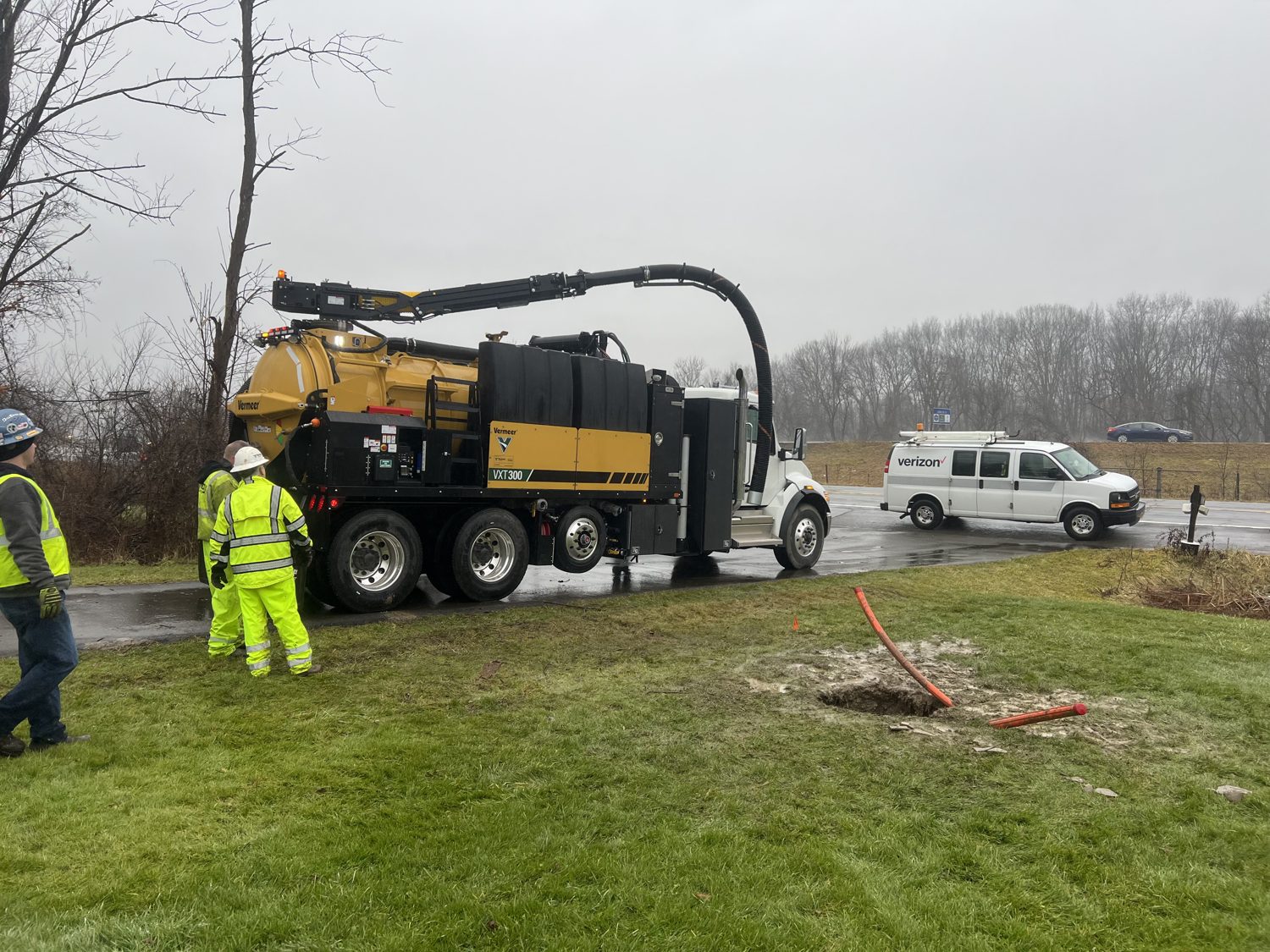
Vacuum excavation is not a side service for us. It is the step that keeps a crossing from becoming a strike, and a strike is exactly the kind of event that stops a schedule cold. Exposing and verifying buried lines before the bore is part of how we protect both your assets and your COD. Read how we plan and guard a crossing on the directional drilling page.
Click any image to open it full size.
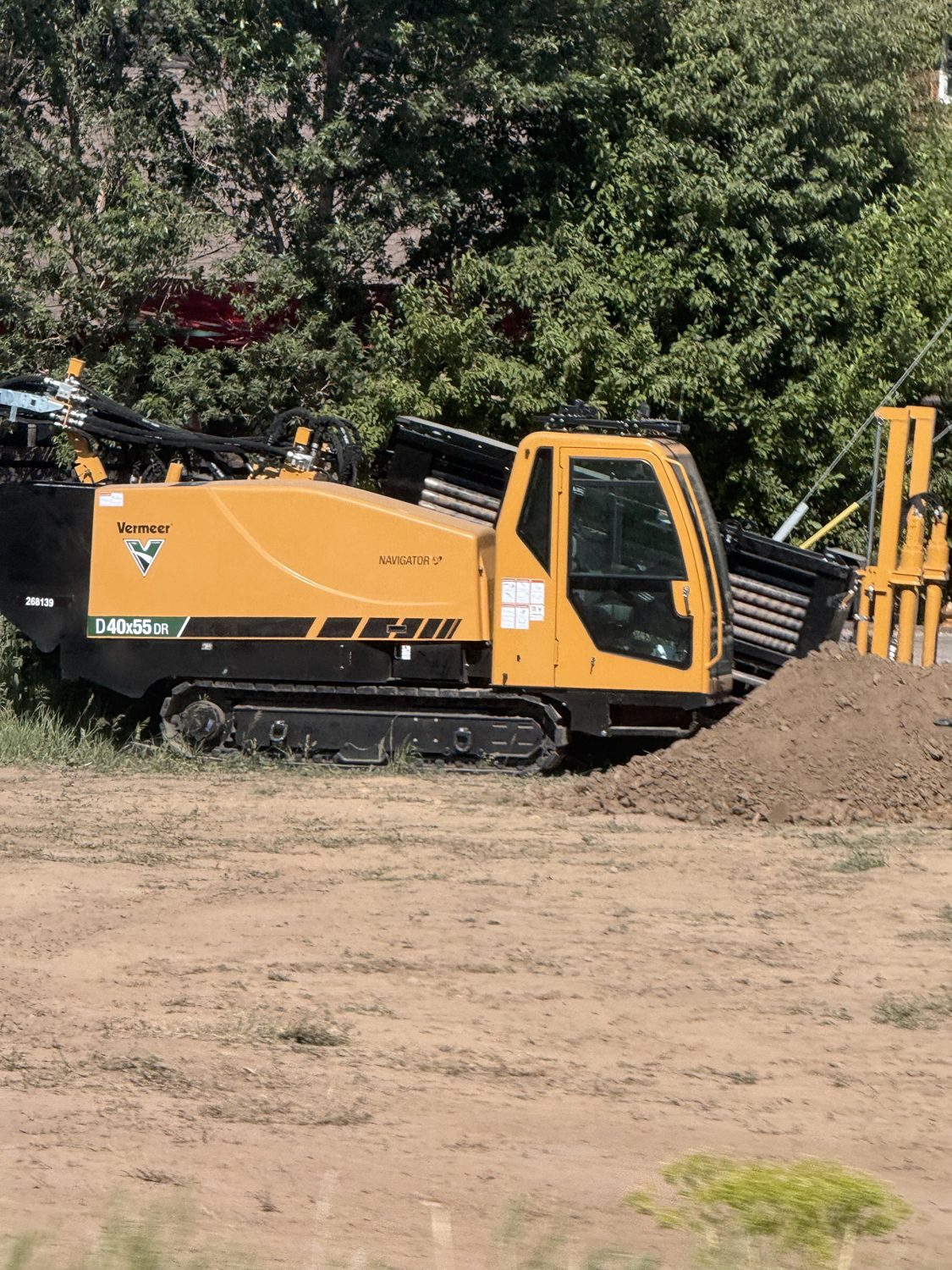
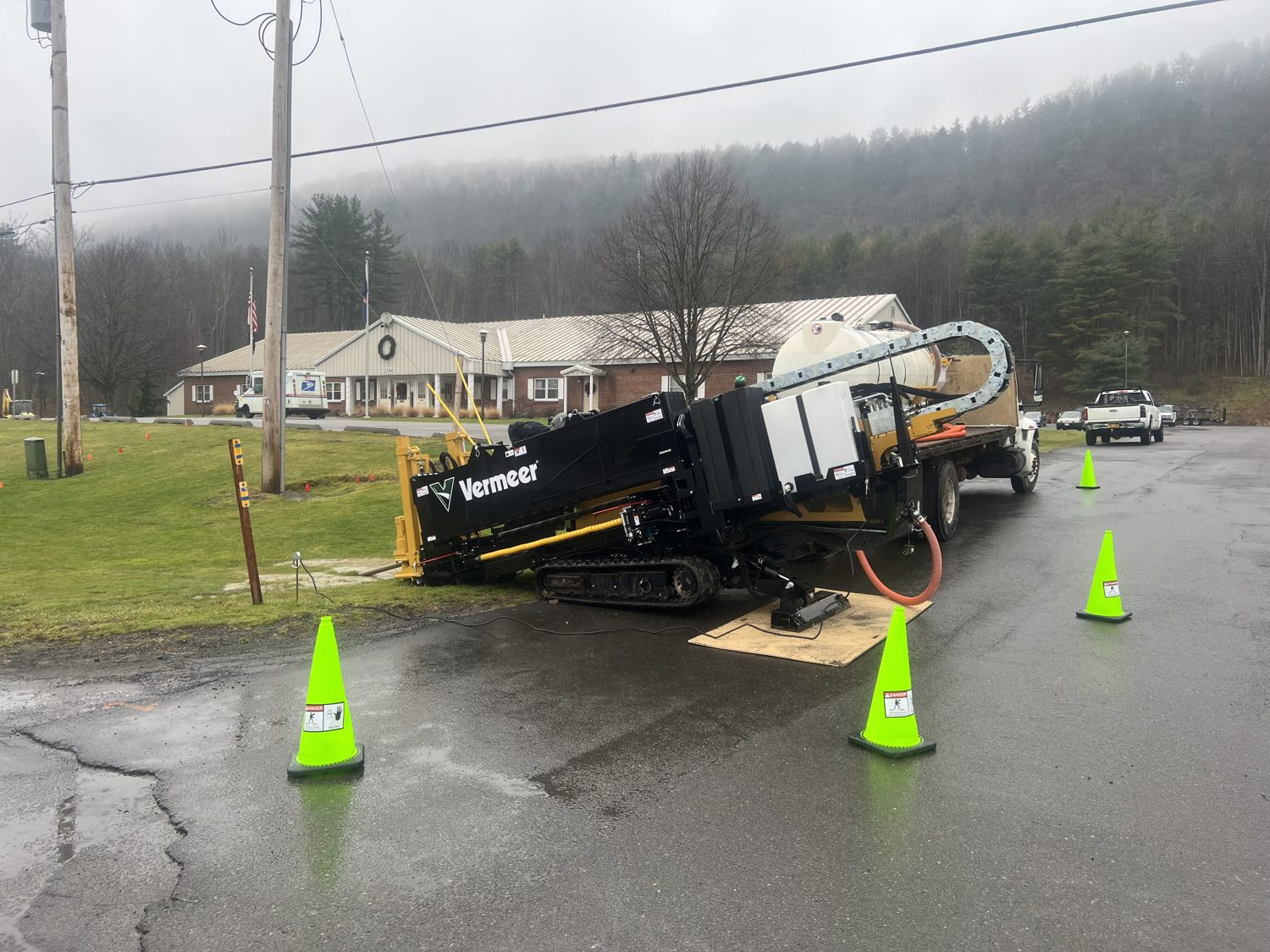
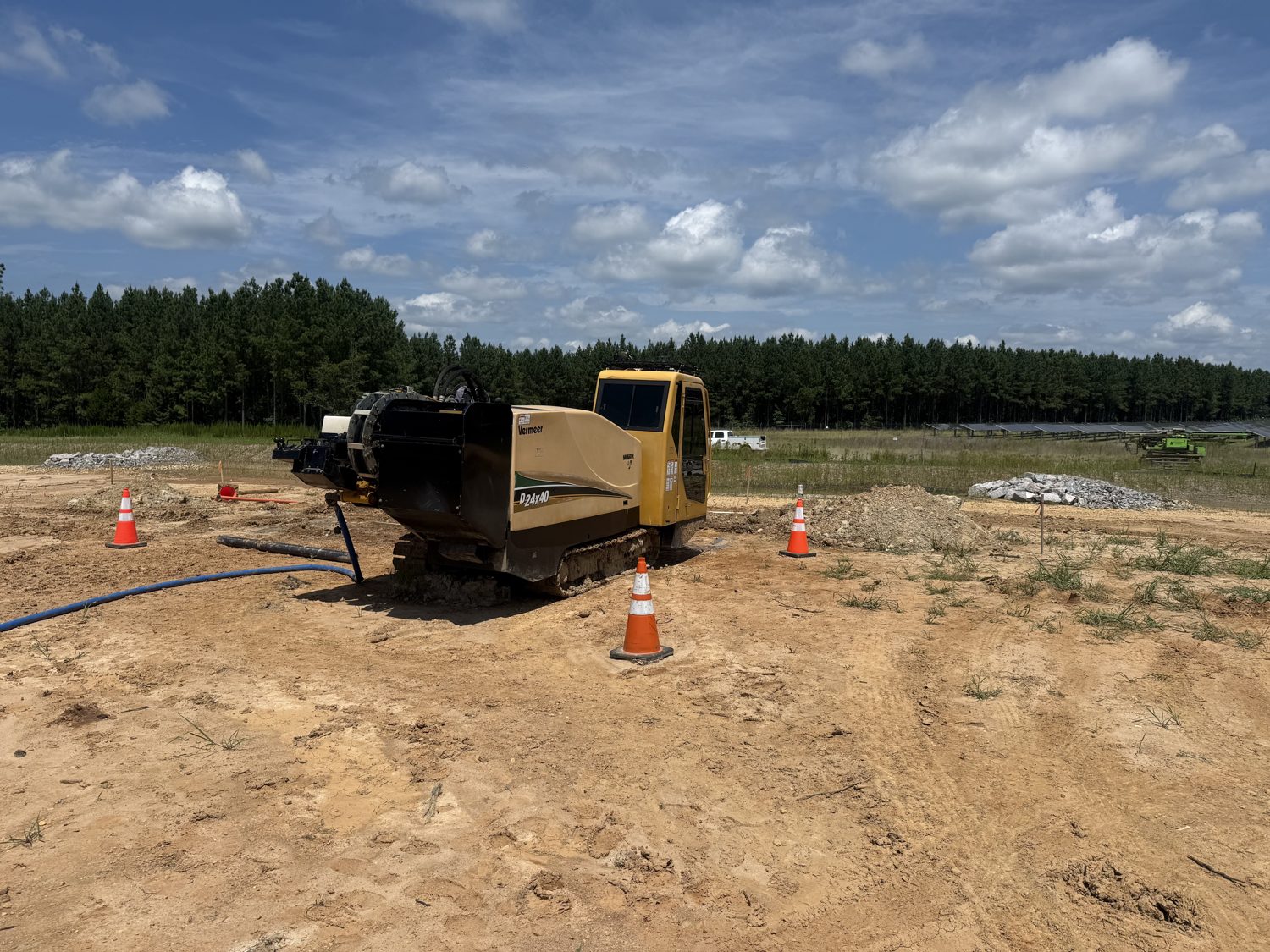
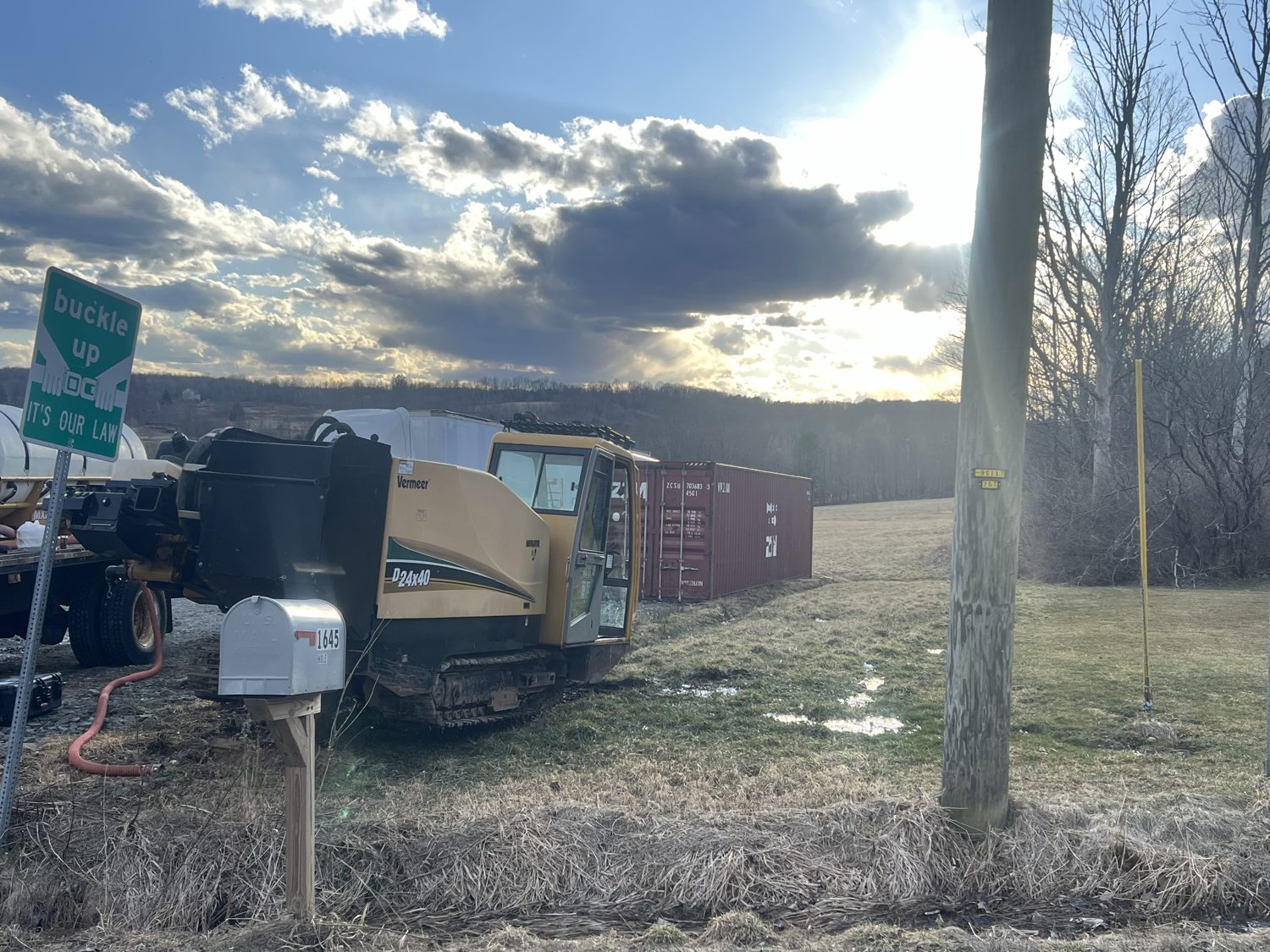
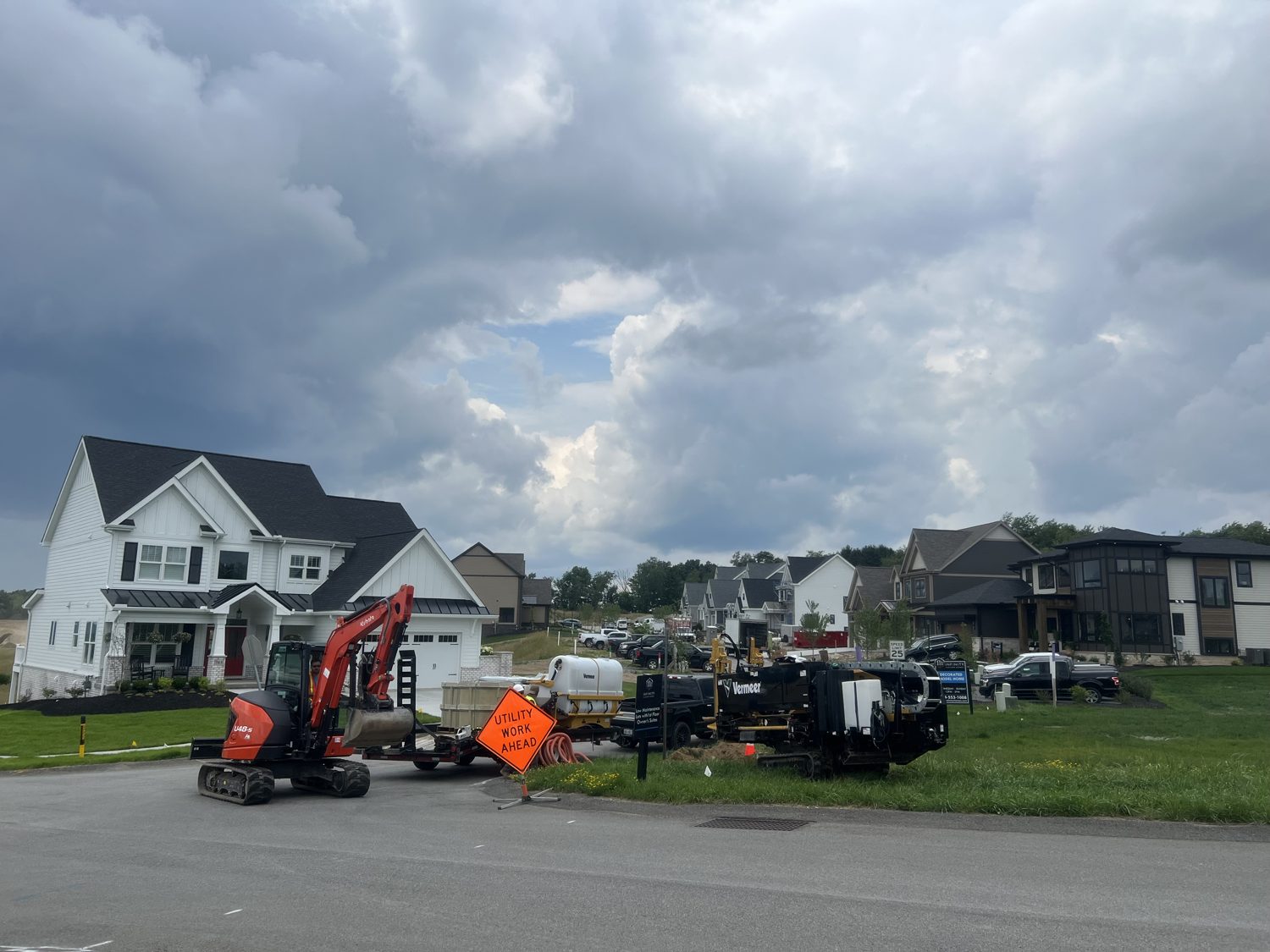
We own and operate our rigs and run our own crews. We are not a single financed drill rig and we do not assemble jobs from patchwork rentals or day labor. The people who show up at mobilization are the people who finish the bore.
We field rigs across small to mid-size classes and match the rig to the crossing length, soil, and product line rather than forcing one machine onto every bore. We size the rig to the job and confirm the right class during planning. Specific machine details are provided on request.
Yes. We run hydro and air vacuum excavation for potholing and daylighting existing utilities before a crossing, plus SUE support and spoils handling. Verifying buried lines by exposure is part of how we protect the bore path and your schedule.
We mix, recycle, and tune the drilling-fluid program on site, matching additives to the soil and following a written inadvertent-return plan. Spoils and returns are contained, handled, and disposed of per the site environmental requirements.
Our crossings and the vacuum-excavation work that protects them are planned and executed to the standards, guidance, and damage-prevention practices the underground industry relies on. Useful references:
Owner-operated rigs, dedicated crews, and the vacuum-excavation support to back every crossing. Send us your bore profile and we will size the fleet to it.
Request capabilities RMDT Utilities