The medium-voltage circuit that ties your array together belongs underground and on schedule. We bore the duct banks, conduit, and comms pathways, then hand off a verified path the cable crew can trust.
Medium-voltage collection bores carry a solar field's 34.5kV circuit between strings, combiners, and the substation. We install the duct banks and conduit by horizontal directional drilling, so the collection system crosses roads, drainage, and wetlands without open-cut. Every duct is mandrel-proofed, left with pull tape, and as-built before the cable crew arrives.
On a utility-scale solar array, the 34.5kV collection system is the spine. It carries energy from the string inverters and combiner pads, through medium-voltage circuits, into the substation or switchyard. When that spine has to cross an access road, a drainage swale, a wetland, or an existing utility, open-cut trenching stops other crews, disturbs the surface, and triggers restoration. Horizontal directional drilling removes that conflict. We bore the duct bank or conduit string under the obstacle in a single pass, leaving the surface intact and the schedule moving.
We install both PVC and HDPE, matched to the electrical EPC's conduit schedule. PVC is common for encased duct banks and stub-ups where the run is straight and concrete-encased. For HDD pulls we lean on HDPE, because it fuses into a continuous, watertight string that survives the bend radius and pull load of a directional bore without joints to fail mid-pull. We confirm trade size, wall thickness, and color coding against your drawings before a single stick goes in the ground.
Medium-voltage circuits do not run alone. A collection bore may carry multiple power conduits plus a dedicated communications duct, bundled in a configuration your electrical engineer specifies for ampacity and derating per the NEC. Conductor heat sets spacing: circuits packed too tightly derate each other and force a larger conductor. We hold the design separation, center-to-center spacing, and configuration through the bore so the installed pathway matches the ampacity calculation the cable was sized against.
Fiber and SCADA carry the plant's monitoring and control traffic, and they do not belong in a power conduit. We run a dedicated communications duct, on its own bore or at the separation between supply and communication conductors the NESC sets, so signal and power stay decoupled. Every comms duct gets a mandrel and a pull tape, so the integrator can blow or pull fiber later into a clean, proofed pathway.
The reason MV collection goes to HDD is the crossing. Inside a single array we routinely bore the collection circuit under:
We work to the electrical EPC's routing and design, not around it. Before the bore we confirm alignment, entry and exit points, depth of cover, and the conduit schedule. After the bore we mandrel-test every duct to prove it is clear, round, and within bend tolerance, then leave a pull tape or rope. We deliver as-built alignment and depth so the cable crew pulls into a known, verified path, and we set warning tape above the run at the specified depth so future excavation finds it.
| Conduit type | Typical use on the array |
|---|---|
| HDPE (fused) | HDD pulls under roads, drainage, and wetlands; continuous jointless string for long directional bores. |
| Schedule-rated PVC | Encased duct banks, straight runs, and stub-ups at combiner pads and transition points. |
| Dedicated comms duct | Fiber and SCADA pathway, separated from power circuits, mandrel-proofed with pull tape. |
| Innerduct / subduct | Multiple fiber pulls inside one bore; segregated pathways for later integrator work. |
| Bundled MV configuration | Multiple power conduits at design spacing for ampacity, derating, and circuit separation. |
The collection scope sits on the critical path between the array and the point of interconnection. Pair it with our interconnection and gen-tie bores into the substation and switchyard, our directional drilling for road, rail, and river crossings, and our vacuum excavation and SUE for potholing existing utilities before we bore.
A collection bore is not done when the duct is in the ground. It is done when the cable crew can pull into it without finding a kink, a blockage, or a duct that drifted off the design separation.
We mandrel-test every installed duct to confirm it is clear, round, and within bend tolerance, leave pull tape in place, and deliver as-built alignment and depth. The next crew pulls into a verified path, not a guess.
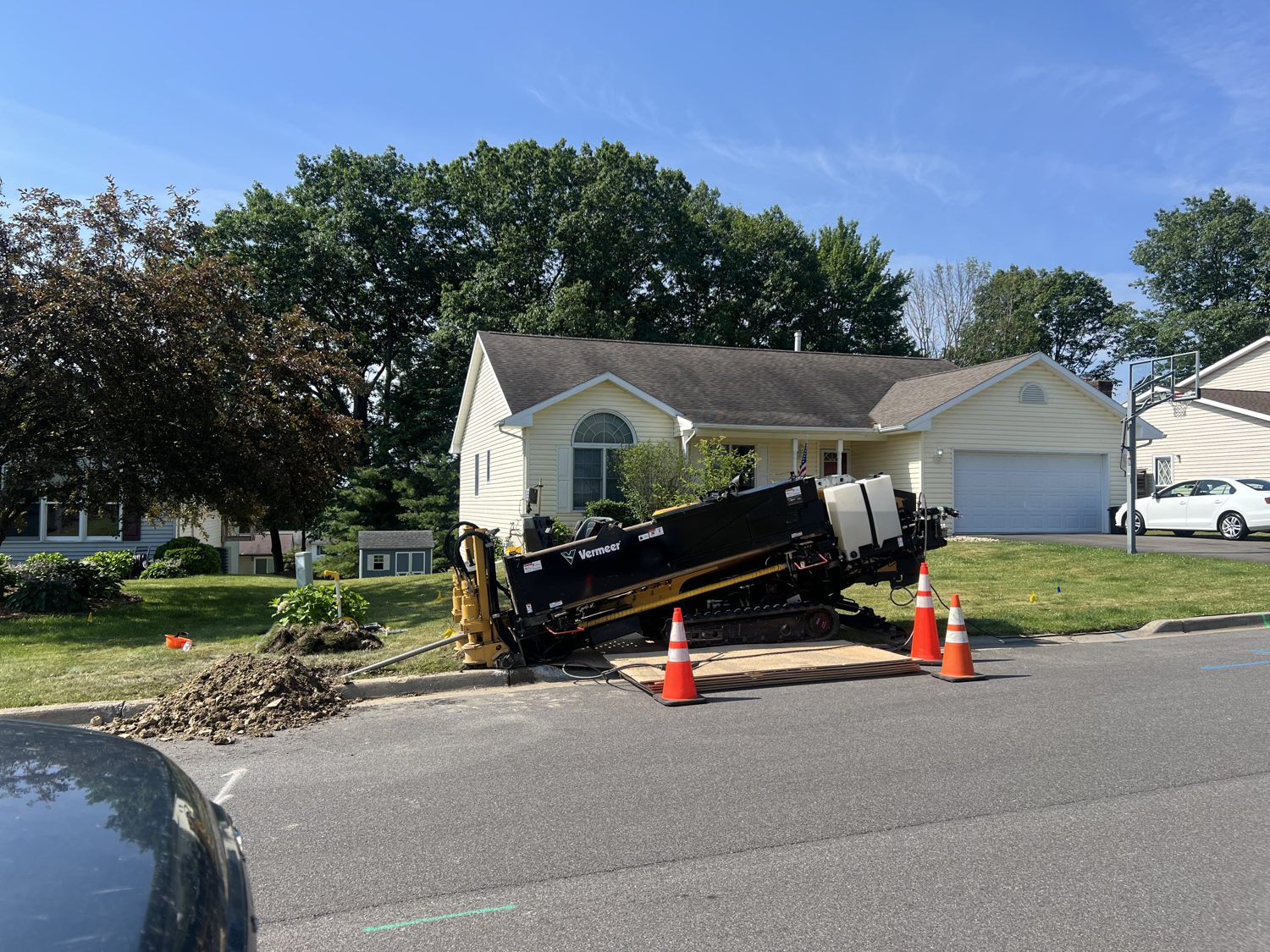
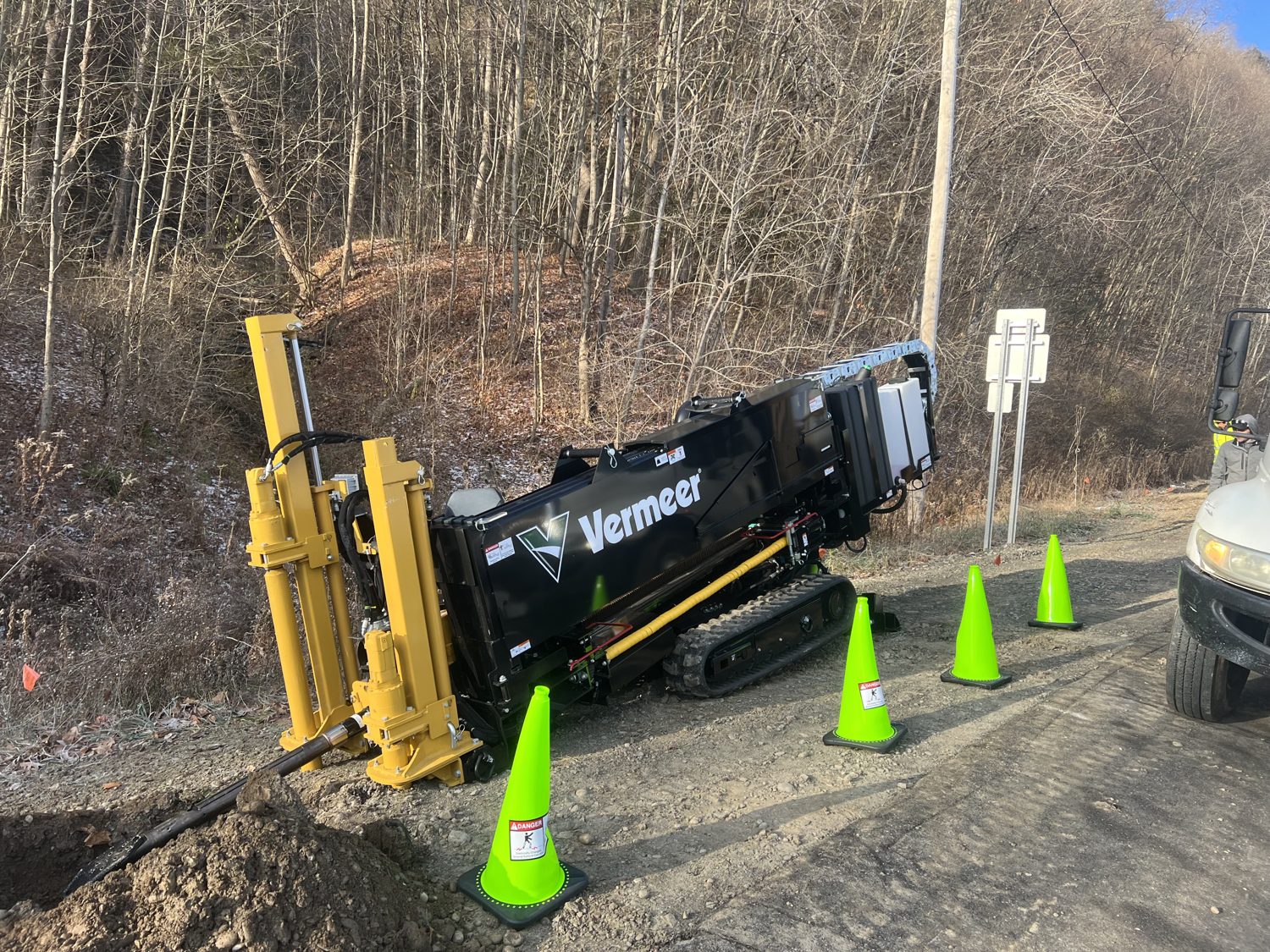
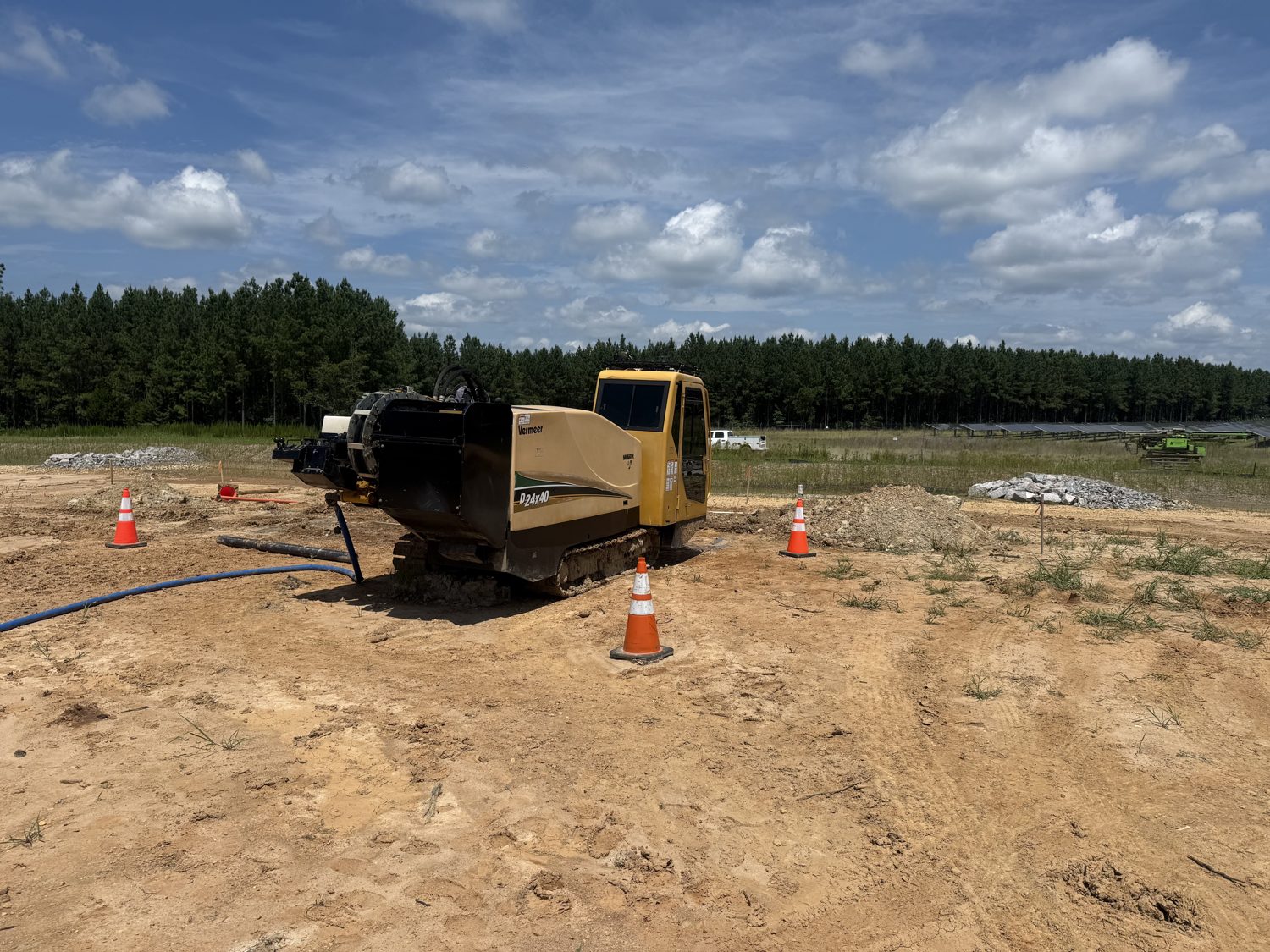
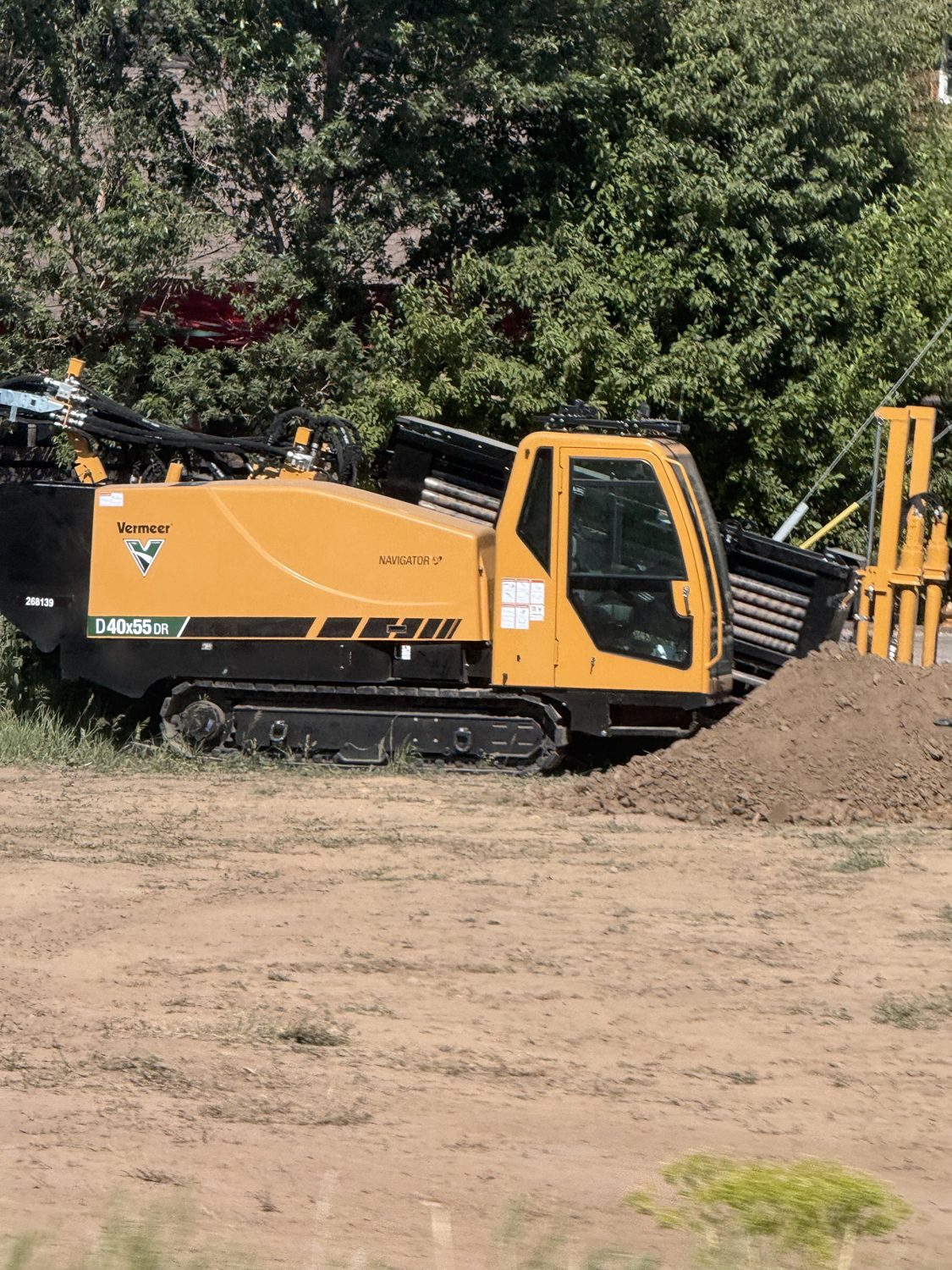
We install both schedule-rated PVC and HDPE depending on the electrical EPC's design. PVC duct is common in straight encased runs and stub-ups; HDPE is preferred for HDD pulls because it fuses into a continuous, watertight string that handles the bend radius and pull load of a directional bore. We match wall thickness, color coding, and trade size to your conduit schedule.
Fiber and SCADA ride in dedicated communications conduit, bored on its own pathway or bundled at the design separation. We hold the spacing your electrical engineer specifies so power and signal stay decoupled, and we run a mandrel and pull tape through every comms duct so the integrator can blow or pull fiber later without surprises.
Yes. Every installed duct is mandrel-tested to confirm it is clear, round, and within bend tolerance, then left with a pull tape or rope. We document the proof and deliver as-built alignment with depth of cover so the cable crew pulls into a known, verified pathway.
Yes. That is the core reason MV collection goes to HDD. We bore the collection circuit and comms under array access roads, drainage, and wetlands in a single shot, leaving the surface intact, so road crews and panel crews keep working above while the collection system goes in below.
Our collection bores are planned and installed to the electrical EPC's design and to the codes and damage-prevention practices the industry relies on. Useful references:
Send us the array routing and conduit schedule. We will scope the collection bores, the comms pathway, and the crossings, and tell you exactly how we keep them off your critical path.
Request capabilities RMDT Utilities